Electric Vehicles in the UAE: Everything You Need to Know Before Buying
Published
4 min read
Electric Vehicles in the UAE: Everything You Need to Know Before Buying
The Rise of EVs in the UAE
You have probably noticed more electric vehicles on the roads in the UAE. Government sustainability targets have brought EV infrastructure up the agenda, and a wider range of models is now available across different price points. This guide covers the key facts about EV ownership in the UAE: how the technology works, what the costs look like, and what the practical considerations are for anyone researching their options.
What Is an Electric Vehicle?
Electric vehicles are vehicles powered entirely by electricity using rechargeable battery systems instead of traditional petrol or diesel engines. They produce no tailpipe emissions and are designed to offer a quieter, more energy-efficient driving experience while reducing environmental impact.
Benefits of Owning an EV
The day-to-day running costs of an EV are lower than most petrol cars. Charging is cheaper than fuel, and because there are no oil changes and fewer wear components, servicing tends to be less frequent and less expensive.
On the environmental side, EVs produce zero direct emissions, which matters to a growing number of buyers.
EV Charging
Public Charging Infrastructure
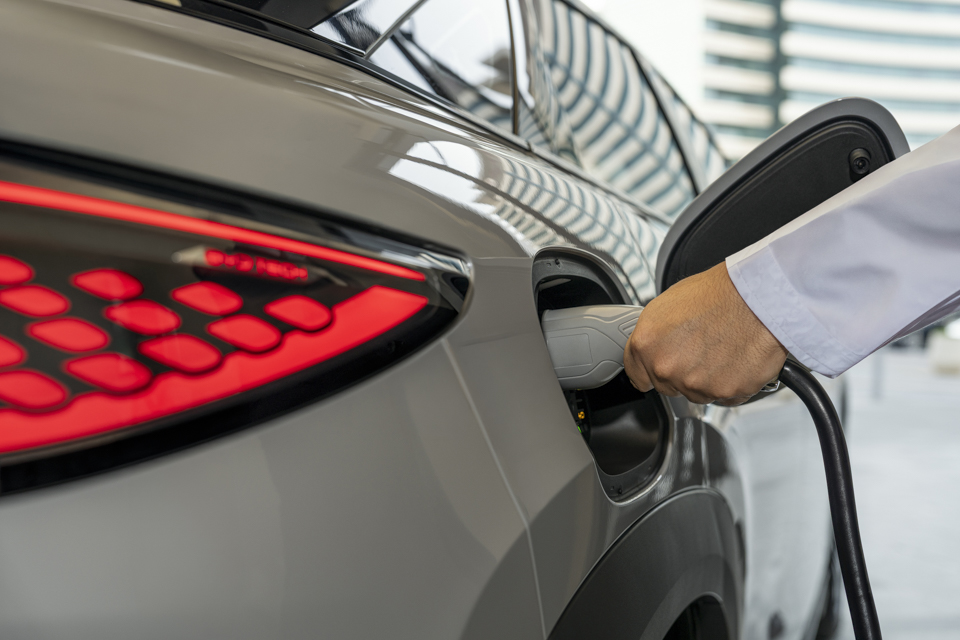
Public charging has grown significantly across the UAE. Charging points are now available at shopping malls, petrol stations, car parks, and along major road routes in Dubai, Abu Dhabi, Sharjah, and beyond. Operators including DEWA and TAQA continue to expand their networks. Coverage is not yet uniform everywhere, but it is improving, and most urban areas are reasonably well served.
Home Charging Options
Most EV owners in the UAE rely primarily on home charging. A Level 2 AC charger can be installed at a villa or apartment with a dedicated parking space. You will need a qualified electrician for the installation, and if you live in an apartment building, it is worth speaking to your facilities management team first. Costs vary depending on the charger and the specifics of the installation.
Charging Time and Range
Charging speed depends on the type of charger:
- Standard AC charging: Best for overnight charging at home. A full charge typically takes 6 to 12 hours.
- Fast DC charging: Available at public stations. Most EVs can reach 80% charge in 30 to 60 minutes.
Most modern EVs available in the UAE offer a real-world range of 300 to 600 km on a full charge. For the majority of daily commutes in the UAE, that is more than sufficient.
Cost of Owning an
EVs tend to cost more upfront than equivalent petrol cars. Over three to five years, however, the lower running and servicing costs can offset a meaningful portion of that difference. Government incentives in some emirates can also reduce the overall cost of ownership. It is worth doing the maths on your specific situation rather than comparing sticker prices alone.
Government Incentives and Policies
The UAE government supports EV adoption as part of its broader sustainability commitments, including the UAE Net Zero by 2050 Strategic Initiative.
Available benefits vary by emirate and are updated from time to time, but have included:
- Free or subsidised public charging at designated locations
- Free parking in designated zones in Dubai
- Salik toll exemptions for eligible EV owners in Dubai
- Streamlined vehicle registration for EVs
Check with your emirate’s transport and energy authorities for the most up-to-date information on what is currently available.
Key Considerations Before You Buy
A few practical questions are worth working through before you commit:
- How far do you drive each day? If your regular commute is under 100 km, most EVs on the market will cover it comfortably. If you regularly drive longer distances, pay closer attention to the real-world range figures for any model you are considering.
- Where will you charge? Do you have a parking space at home where a charger can be installed? Is there a public charging point near your workplace or the places you visit regularly? Having a clear answer to this before you buy makes a genuine difference to how convenient EV ownership is in practice.
- What about resale value? The used EV market in the UAE is still developing. Premium and well-known brands tend to hold their value more predictably at this stage.
Common Myths About EVs
- “The heat will damage the battery.” Modern EV batteries are engineered to operate in a wide range of temperatures, including hot climates such as the UAE. Most use advanced thermal management systems, often liquid-cooled, to help regulate battery temperature during driving, charging, and parking. This helps protect battery performance, support long-term durability, and reduce the impact of extreme heat. As with any vehicle, proper care matters, so it is best to follow the manufacturer’s guidance on charging, parking, and servicing. Most manufacturers also offer battery warranties of eight years or more, giving buyers added reassurance.
- “There are not enough charging points.” Public infrastructure is still expanding, but for most drivers, home charging covers the bulk of day-to-day needs. Public chargers tend to serve as a top-up rather than a primary source.
- “Range anxiety is a real problem.” For typical urban and inter-emirate driving in the UAE, the range offered by most modern EVs is more than adequate. Longer trips may require a charging stop, but fast-charging options along key routes are increasingly available.
Where Things Stand
The EV market in the UAE is more developed than it was a few years ago. There are more models to choose from, more places to charge, and a clearer picture of what ownership looks like in practice. That said, how well an EV works for any individual driver comes down largely to lifestyle and personal preference. Charging access, daily driving patterns, the type of vehicle you need, and how you weigh upfront cost against long-term savings will all point different people towards different conclusions.
More news