The 15-Minute Community: The Future of Urban Living in the GCC
Published
4 min read
The 15-Minute Community: The Future of Urban Living in the GCC
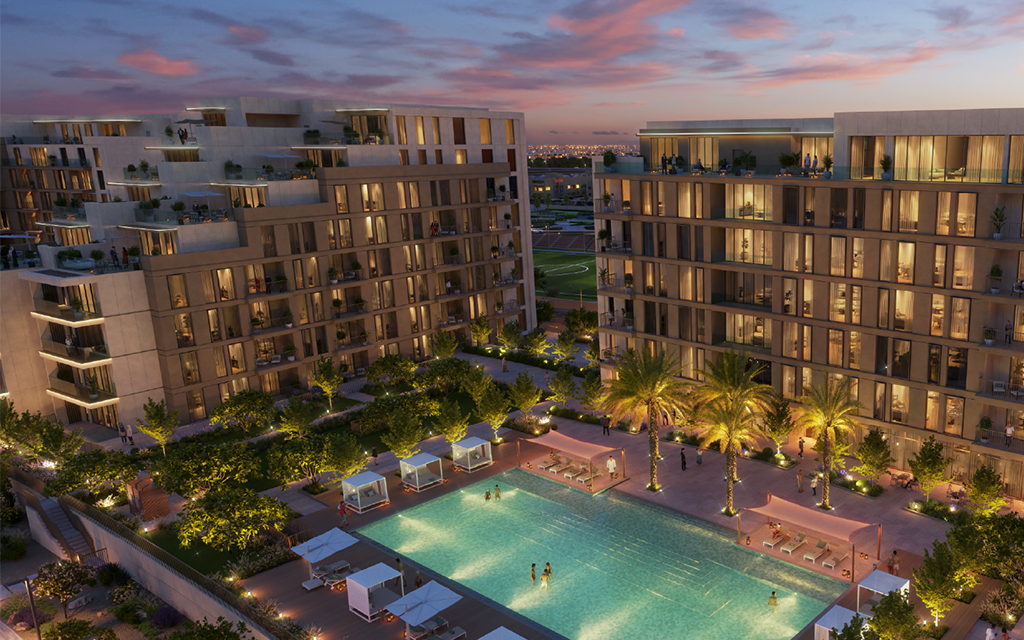
For decades, urban development has largely been built around movement. Cities expanded outward, residential communities grew further from commercial centres, and daily life often involved travelling between home, work, education, shopping, healthcare and recreation. Today, however, many residents are beginning to prioritise something different: convenience, balance and proximity.
Across global cities, growing attention is being paid to the concept of the “15-minute community”, a model that aims to give residents access to many of their daily needs within a short walk, cycle or drive from home. While every city develops differently, the principles behind this approach are becoming increasingly relevant as urban populations grow, lifestyle expectations evolve and sustainability rises on both public and private sector agendas. For real estate developers, city planners and residents alike, the focus is shifting from simply creating places to live towards creating places where people can thrive.
What Is a 15-Minute Community?
The concept of a 15-minute community is based on a simple idea. Residents should be able to access many essential services and experiences within approximately 15 minutes of where they live. These may include:
- Grocery shopping
- Restaurants and cafés
- Schools and educational facilities
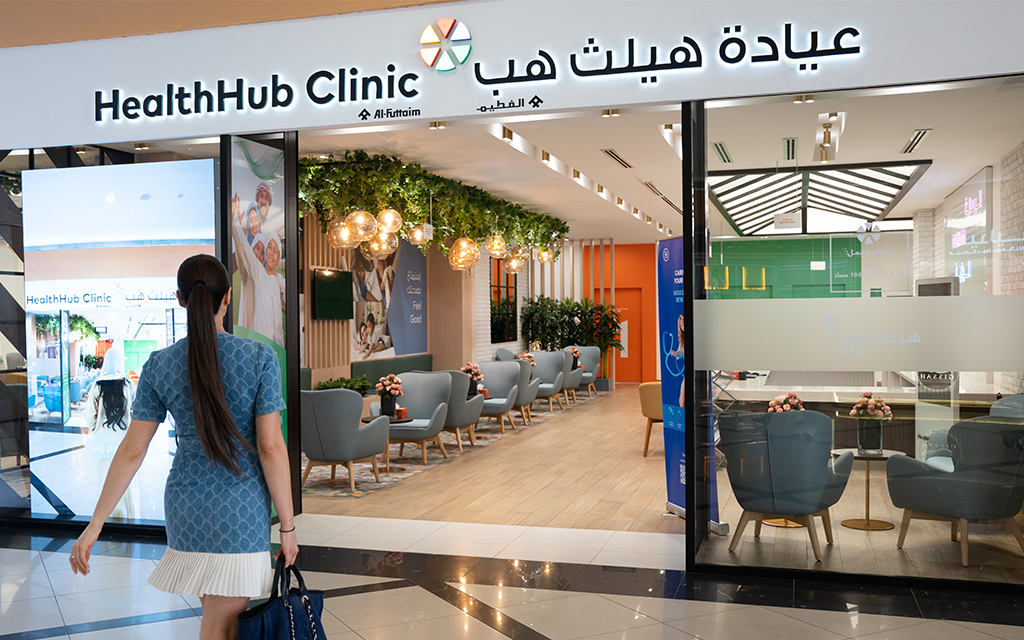
- Healthcare services
- Fitness and wellness facilities
- Parks and outdoor spaces
- Retail and entertainment
- Community services
- Workspaces and business centres
Rather than requiring multiple long journeys throughout the day, communities are designed to place more aspects of everyday life within closer reach. The objective is not to eliminate travel, but to reduce dependency on it for routine activities.
Why Urban Priorities Are Changing
The way people live and work has evolved significantly over the past decade. Flexible working models, increased digital connectivity and changing family lifestyles have encouraged consumers to reconsider what they want from their communities. Increasingly, residents are looking beyond square footage alone. Questions that once focused primarily on the home itself are expanding to include the surrounding environment:
- How convenient is daily life?
- Are amenities easily accessible?
- Is the community family-friendly?
- Can residents spend more time locally?
- Does the neighbourhood support wellbeing?
This broader view of residential value reflects changing priorities around convenience, quality of life and community experience. Existing Al-Futtaim real estate content highlights similar trends, noting growing demand for communities that balance connectivity, lifestyle amenities, open spaces and everyday convenience.
The Rise of Mixed-Use Developments
One of the key enablers of 15-minute communities is the growth of mixed-use developments. Traditionally, urban zones often separated residential, commercial and leisure activities. Today, developers are increasingly integrating multiple functions within a single destination. A mixed-use environment may include:
- Residential properties
- Retail spaces
- Offices
- Hotels
- Restaurants
- Schools
- Healthcare services
- Entertainment venues
By bringing these elements together, destinations can create more vibrant and convenient communities. Residents no longer need to travel across a city to meet every daily need. Instead, many activities become part of a connected ecosystem. This integration of lifestyle, retail and community experiences is becoming an increasingly important feature of modern urban development.
Why Residents Value Convenience More Than Ever
Convenience has become one of the defining expectations of modern consumers. People can order groceries, arrange transportation, manage finances and communicate instantly through digital platforms. Naturally, expectations around physical environments have evolved as well. Residents increasingly value communities that help reduce:
- Travel time
- Traffic congestion
- Daily stress
- Unnecessary complexity
The result is more time for family, leisure, wellbeing and social interaction. For many individuals, convenience has become a quality-of-life issue rather than simply a practical consideration.
Supporting Health and Wellbeing
One of the strongest benefits associated with the 15-minute community model is its potential impact on wellbeing. When essential destinations are closer together, residents may find it easier to incorporate healthy habits into everyday routines. Examples include:
- Walking to nearby amenities
- Spending time in outdoor spaces
- Participating in recreational activities
- Engaging more frequently with community facilities
Access to wellness and leisure infrastructure has become an increasingly important consideration for residents evaluating where to live. This aligns with broader trends toward wellbeing-focused lifestyles and preventive approaches to health and quality of life.
The Role of Sustainability
Sustainability is becoming an increasingly important factor within urban planning and real estate development. While large-scale environmental goals often receive significant attention, many sustainability benefits emerge through everyday choices and infrastructure design. Communities that reduce the need for frequent long-distance travel can contribute towards:
- Reduced congestion
- More efficient infrastructure usage
- Greater walkability
- Enhanced public spaces
- Improved resource management
Many newer residential communities are also incorporating sustainability initiatives directly into development planning. Examples can include energy-efficient systems, responsible landscaping, EV infrastructure and environmentally conscious design strategies. Existing Al-Futtaim residential developments already highlight sustainability features including EV charging infrastructure and environmentally conscious community planning.
Why Families Are Driving Demand
Families often experience the benefits of integrated communities particularly strongly. Parents frequently manage multiple daily responsibilities, including:
- School drop-offs
- Grocery shopping
- Healthcare appointments
- Recreational activities
- Family events
Communities that place these services closer together can create more convenient routines while improving access to shared experiences. Family-friendly amenities such as outdoor areas, recreational facilities, education options and community gathering spaces also contribute to a stronger sense of belonging. These factors are becoming increasingly important when choosing where to live.
How Technology Supports Community Living
Technology is playing an important role in how communities operate and evolve. While physical infrastructure remains central to residential experiences, digital solutions are helping improve convenience and connectivity. Examples may include:
- Community applications
- Digital access management
- Smart parking solutions
- Integrated service requests
- Resident communication platforms
Artificial intelligence and data analytics are also helping organisations understand usage patterns, allocate resources more effectively and improve service delivery. These broader digital transformation trends are increasingly influencing how large-scale developments and lifestyle destinations are managed.
However, technology is most valuable when it supports everyday life rather than becoming the focus itself.
Community as a Lifestyle Advantage
Modern consumers are placing greater emphasis on experience. This trend has transformed industries ranging from retail to hospitality and real estate. Increasingly, people want communities that offer more than residential accommodation alone. They are seeking:
- Social connection
- Shared experiences
- Local culture
- Lifestyle amenities
- Sense of place
Destinations that successfully combine residential, leisure and retail experiences can create stronger emotional connections with residents and visitors alike. This experience-led approach is visible across many successful mixed-use destinations throughout the region.
What Does the Future Look Like?
The future of urban living is unlikely to be defined by a single model. Different cities, communities and residents will continue to have diverse requirements. However, several themes are becoming increasingly clear:
- Convenience matters more than ever.
- Lifestyle and wellbeing are rising priorities.
- Mixed-use environments are becoming increasingly valuable.
- Sustainability is influencing community design.
- Residents want stronger connections to the places where they live.
As these trends continue to develop, the principles behind the 15-minute community are likely to play an increasingly important role in shaping future real estate developments.
Conclusion
The 15-minute community represents a broader shift in how people think about urban living. Rather than focusing solely on location or property specifications, residents are increasingly evaluating communities based on how effectively they support everyday life. By bringing housing, retail, education, healthcare, recreation and lifestyle experiences closer together, mixed-use developments can help create more connected, convenient and resilient places to live.
As cities across the GCC continue to grow and evolve, the communities that succeed may be those that place people, wellbeing and accessibility at the centre of design. Because ultimately, great cities are not measured by how far people can travel. They are measured by how well people can live.
More news