UAE Net-Zero 2050: The Future of Electric & Personal Mobility
Published
4 min read
UAE Net-Zero 2050: The Future of Electric & Personal Mobility
What It Means for Electric Vehicles & Personal Mobility
The UAE’s Net Zero 2050 Strategy sets out a clear national ambition: a fully decarbonised economy within the next two decades, backed by sustained investment in clean energy, green technology and low-carbon infrastructure.
Personal mobility, in particular, is one of the most visible and immediate opportunities for the country to reduce emissions while giving residents access to smarter, cleaner ways to get around.
How UAE Net-Zero 2050 is Reshaping Personal Transport
Net-zero means balancing the greenhouse gases a country produces with the amount it removes or offsets, ultimately bringing net emissions down to zero. For personal transportation, that translates into a shift away from traditional combustion vehicles toward New Energy Vehicles (NEVs), ranging from plug-in hybrids (PHEVs) to battery electric vehicles (BEVs) that produce fewer or no tailpipe emissions. As one of the most common daily activities for UAE residents, driving offers real, tangible potential to support the country’s broader sustainability goals.
Key EV & Mobility Trends in the UAE for 2026
UAE Electric Vehicle Market Growth: What Drivers Need to Know
The UAE’s NEV market is expanding quickly. More brands are bringing a wider range of electric, hybrid and plug-in hybrid models to the region, giving drivers far more choice than even a few years ago. Consumer interest is following suit, with growing numbers of residents considering an electric car for their next vehicle purchase.
EV Charging Infrastructure in the UAE: What’s Available Today
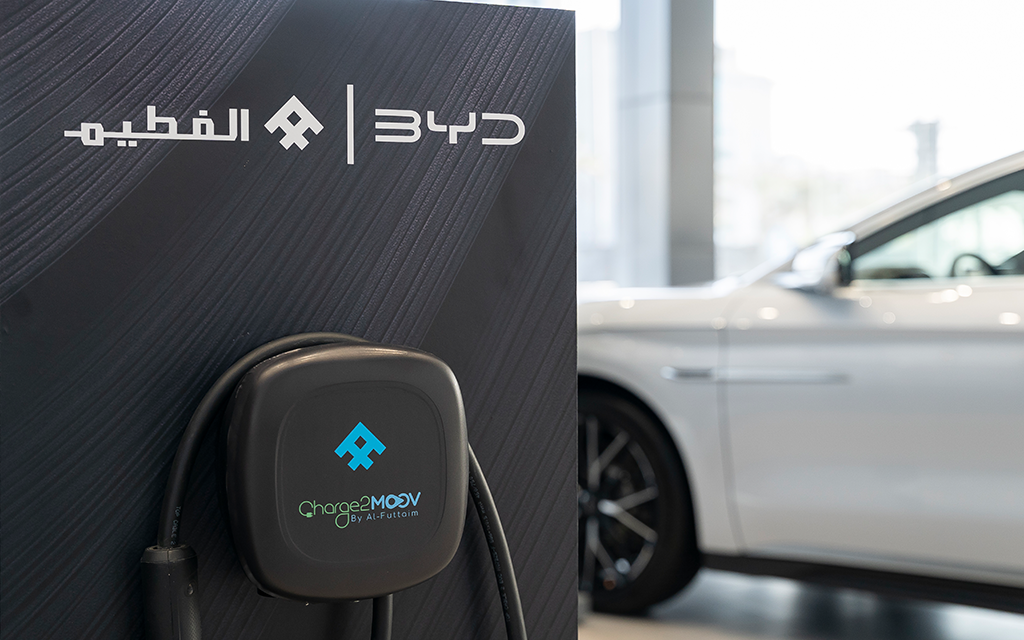
A wider public charging network across the UAE’s cities and highways is making electric driving more practical for daily use and longer journeys alike. At the same time, home charging solutions are becoming more accessible.
Smart & Connected Mobility
Vehicles are becoming smarter, not just cleaner. Connected car technology and digital mobility services are giving drivers real-time insights into vehicle performance, charging status and route planning, creating a more integrated and intuitive driving experience.
How Consumers Benefit from the Transition
The move to electrified vehicles offers advantages that go well beyond emissions reduction:
- Lower running costs: Electric and hybrid vehicles typically cost less to fuel and maintain over time compared with traditional petrol vehicles.
- Environmental benefits: Lower or zero tailpipe emissions support cleaner air and contribute to the UAE’s national sustainability targets.
- Improved driving experience: Instant torque, quieter cabins and advanced connected features make electrified vehicles enjoyable to drive.
Challenges to Widespread Adoption
Like any major shift, the road to widespread EV adoption comes with challenges to work through.
Continued investment is needed to make charging as convenient as refuelling a traditional vehicle, while many drivers still have questions about range, charging times and running costs that need clear answers. Electrified vehicles can also carry a higher upfront price tag, even where running costs are lower over time.
Each of these presents an opportunity for brands, infrastructure providers and policymakers to work together and make the transition easier for everyday drivers.
Automotive brands and distributors especially can play a meaningful role in bringing this transition to life. That means continuing to introduce the latest technologies to the UAE market, supporting more sustainable practices across the vehicle lifecycle, and helping customers understand their options, from choosing the right model to navigating charging and ownership. Clear, accessible information is often what turns interest into a confident purchase decision.
What the Future of Personal Mobility Looks Like
Looking ahead, personal mobility in the UAE is set to become smarter and more connected still. AI-powered vehicles will offer more personalised, predictive driving experiences. Autonomous mobility is moving from concept to reality, promising safer and more efficient journeys. And shared mobility ecosystems, from ride-sharing to subscription models, are giving residents new ways to access vehicles without necessarily owning one outright.
As NEVs, PHEVs and BEVs become a bigger part of everyday life on UAE roads, the shift toward net-zero mobility looks less like a distant target and more like the direction the country is already moving in.
More news