How to Open a Food & Beverage Concept in a UAE Mall: What You Need to Know
Published
4 min read
How to Open a Food & Beverage Concept in a UAE Mall: What You Need to Know
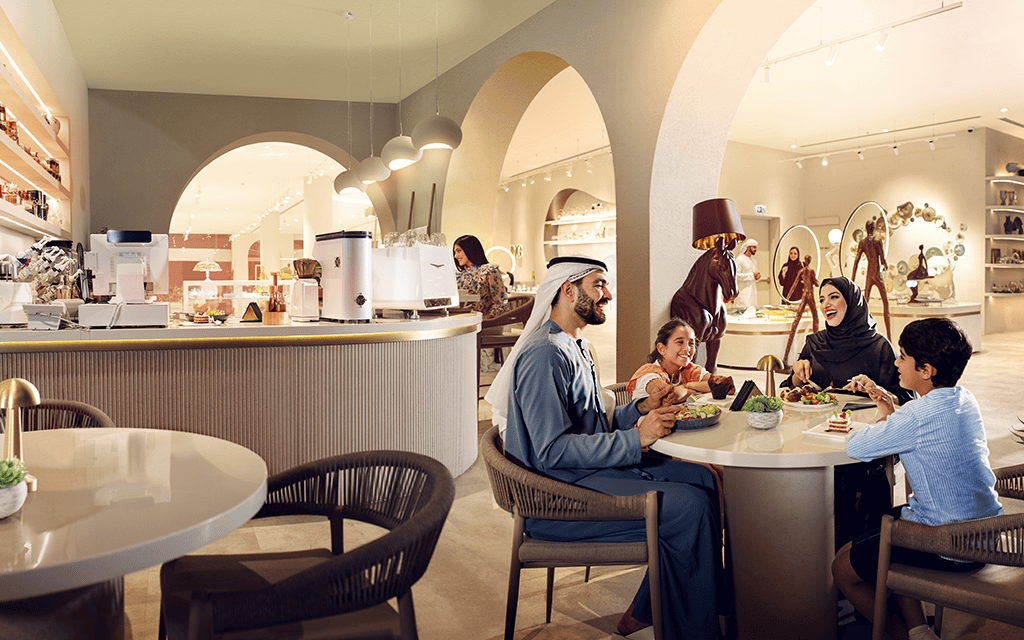
UAE malls have developed into destinations where retail, entertainment, dining and social experiences come together. For food and beverage operators, that creates an opportunity to reach customers in an established environment, but it also brings significant commercial and operational expectations.
Opening a restaurant, café or fast-casual concept in a mall requires more than a strong menu.
Operators need a differentiated proposition, the right location, a realistic cost model and the ability to meet the requirements of both the mall and the relevant authorities.
Understanding the UAE Mall Ecosystem
Not every mall serves the same audience. Some focus on destination shopping and tourism, while others primarily serve surrounding residential communities. Customer profiles, visit frequency, peak periods and spending behaviour may therefore differ considerably. Before approaching a mall operator, study:
- The mall’s location and catchment area
- Existing F&B categories and competitors
- Family, resident, office-worker and tourist traffic
- Weekday and weekend demand
- Accessibility, parking and delivery access
- Planned developments and new tenant openings
Food halls and experience-led dining are playing a visible role in modern mall environments. For example, Market Island at Dubai Festival City Mall brings together more than 50 dining concepts within a shared food-hall setting.
Choosing the Right F&B Concept
Casual Dining, Fast Casual or Café?
Each format has different space, staffing and operating requirements.
A casual-dining restaurant may need a larger kitchen, a more extensive fit-out and a full-service team. A fast-casual concept depends on speed, consistency and efficient customer flow. A café may appear operationally simpler, but still needs a clear reason for customers to choose it in a competitive category.
The right format is the one that aligns the menu, price point, service model and customer occasion.
Identifying a Genuine Market Gap
A gap is not simply the absence of a cuisine. It may involve an underserved customer group, time of day, price point or dining occasion.
Operators should assess what already exists and where demand may not be fully served. This could include breakfast, family dining, convenient healthy meals, shareable menus or concepts that combine food with an engaging visual or social experience.
Understanding Consumer Trends
Trends can create awareness, but long-term success needs a proposition that remains relevant after initial interest fades. Build the concept around a defined customer need and use trends to strengthen, rather than replace, its core identity.
What Mall Operators Look for in Tenants
Mall operators typically consider the strength and distinctiveness of the brand, its commercial viability, management experience and ability to operate consistently. A tenant proposal should clearly explain:
- The concept and target audience
- The menu and price positioning
- What differentiates the brand
- Space and technical requirements
- Relevant operating experience
- Funding and fit-out readiness
- Marketing and launch plans
- The customer experience the concept will create
A visually strong presentation helps, but financial and operational readiness are equally important.
Key Costs to Consider Before Launching
Leasing Costs
Review the complete lease proposal, including base rent, service charges, utilities, deposits, marketing contributions and any turnover-related arrangements. Understand rent-free fit-out periods, handover conditions and renewal terms.
Fit-Out and Design
Kitchen extraction, ventilation, power, drainage, grease management, fire and life-safety systems, storage and waste handling may represent major parts of the fit-out.
The design should be reviewed against the mall’s technical requirements and relevant authority standards before construction begins.
Licensing and Approvals
Requirements vary by emirate and activity. In Dubai, food traders and establishments are subject to Dubai Municipality requirements covering matters such as food-establishment standards, permits, approvals, transportation and delivery. Operators should confirm current requirements directly with the applicable licensing and municipal authorities. https://www.dm.gov.ae/municipality-business/food-traders-establishments/
Staffing and Operations
Budget for recruitment, visas, training, uniforms, payroll, insurance and pre-opening activity. Include working capital for the period in which costs are established but sales are still developing.
Store Design and Customer Experience
Design has to work operationally as well as visually. Customers should be able to understand the concept, view the menu, order and collect or receive food without unnecessary friction.
Visibility from the mall corridor matters, but the back-of-house layout is just as critical. Poor storage, inefficient preparation areas or conflicting staff routes can limit capacity and service quality.
Social-media-friendly details can support discovery, but they should contribute to an authentic experience rather than feeling added purely for photographs.
Marketing Your F&B Brand
A strong opening plan should begin before launch. Content can introduce the concept, menu development, founders and fit-out journey while building anticipation. Opening activity may include:
- Preview events and tastings
- Creator and media engagement
- Mall-owned communication channels
- Loyalty offers
- Partnerships with delivery platforms
- Geo-targeted social advertising
- Customer-generated content
After launch, marketing should shift from awareness to repeat visits and customer retention.
Common Challenges
New concepts can underestimate fit-out complexity, opening costs, staffing needs and the time required to build repeat demand. Heavy competition may also make an initially popular concept difficult to sustain.
Operators should track sales by day and time, average transaction value, menu performance, labour needs, food waste and customer feedback. This enables decisions to be based on real operating information rather than assumptions.
Tips for Long-Term Success
Long-term mall success depends on consistency and the ability to evolve. Seasonal products can keep the menu relevant, while digital ordering, loyalty platforms, takeaway and delivery can extend the experience beyond the physical unit.
Innovation should remain operationally realistic. A smaller menu delivered consistently will often create a stronger experience than an extensive menu that places pressure on the kitchen and service team.
The Future of F&B in UAE Retail Destinations
Dining is increasingly connected to the wider destination experience. Food halls, shared social spaces, entertainment and technology-enabled ordering are creating new ways for customers to discover and enjoy F&B brands.
The opportunity for operators is to create concepts that work across several occasions: a quick meal, a family outing, a social gathering, takeaway or delivery.
Conclusion
UAE malls offer F&B operators access to established destinations and diverse customer audiences. However, success depends on disciplined preparation.
A distinctive concept, realistic financial plan, compliant fit-out, efficient operation and strong customer experience must work together. Entrepreneurs who understand the mall’s audience and plan for both launch and long-term performance will be better positioned to turn an appealing idea into a sustainable business.
FAQs
What should an F&B operator prepare before approaching a mall?
Prepare a concept presentation, sample menu, price positioning, target-customer profile, experience credentials, space requirements, funding plan and proposed launch strategy.
What costs should be included in the budget?
Include leasing and service charges, deposits, fit-out, kitchen equipment, technology, licensing, approvals, recruitment, training, stock, marketing and working capital.
Which approvals are required?
Requirements depend on the emirate, licensed activity and premises. Operators must confirm the applicable commercial-licensing, municipal, food-safety, fit-out and mall approvals before opening. Dubai Municipality publishes requirements and guidance for food establishments. https://www.dm.gov.ae/municipality-business/food-traders-establishments/
How can a new restaurant stand out in a UAE mall?
A concept needs a clearly defined audience, differentiated proposition, consistent food and service, strong visual identity and a reason for customers to return after the initial opening period.
Is delivery important for a mall-based concept?
Delivery can create an additional revenue channel, but the menu, packaging, preparation time and economics should be designed for it. Operators should ensure it does not negatively affect the in-mall customer experience.