Purpose vs Pay: What UAE Talent Looks for in an Employer
Published
4 min read
Purpose vs Pay: What UAE Talent Looks for in an Employer

What UAE Talent Really Wants From Work Today
For years, career decisions were driven primarily by salary, benefits and job security. While these factors remain important, some new factors are also influencing the UAE employment market.
Today’s professionals are thinking beyond just a pay cheque. They want meaningful careers, opportunities to grow, workplaces that align with their values and organisations that contribute positively to society.
From young graduates entering the workforce to experienced professionals considering their next career move, purpose has become an increasingly important consideration. People are asking deeper questions about potential employers: What does this company stand for? Will I have opportunities to learn and develop? Can I make a meaningful contribution here?
For employers, understanding these changing priorities is essential for attracting and retaining top talent in an increasingly competitive market. The organisations that succeed will be those that offer both professional opportunities and a sense of purpose.
Is Purpose Becoming More Important Than Salary?
A competitive salary remains a critical part of any employment package. However, research and workforce trends consistently show that employees are increasingly evaluating opportunities through a wider lens.
Purpose at work means feeling connected to a larger mission. Employees want to understand how their daily responsibilities contribute to meaningful outcomes, whether that is improving customer experiences, supporting communities or driving positive change within society.
Purpose-driven organisations often benefit from stronger employee engagement because individuals can see the impact of their work beyond financial results. When employees feel connected to a company’s mission, they are more likely to feel motivated, committed and proud of what they do.
This trend is particularly relevant in the UAE, where national initiatives around innovation, sustainability, economic diversification and social progress continue to shape both industries and career aspirations.
The Growing Importance of Corporate Responsibility
Employees increasingly want to work for organisations that demonstrate responsibility beyond profit.
Environmental sustainability, ethical business practices, diversity and inclusion initiatives and community engagement programmes all contribute to how an organisation is perceived. Candidates are paying closer attention to whether companies actively contribute to positive societal outcomes rather than simply talking about them.
Many professionals, particularly Millennials and Gen Z employees, actively seek employers whose values align with their own. As a result, purpose has become a powerful differentiator in the competition for talent.
What the UAE’s Next Generation of Talent Looks For
The UAE has one of the world’s youngest and most digitally connected workforces. As a result, the priorities of emerging talent are influencing the future of recruitment and workforce strategy.
Career Growth and Learning Opportunities
Few factors are more important to ambitious professionals than development.
Employees want access to continuous learning opportunities that help them build new skills and remain relevant in a rapidly changing economy. They are seeking employers that invest in training, leadership development, mentoring and career progression pathways.
Professional development is no longer viewed as an occasional benefit. It has become an expectation.
Whether through formal learning programmes, digital certifications, on-the-job experiences or leadership development initiatives, employees want to know that their employer is invested in their future.
Clear career progression is equally important. Professionals are more likely to stay with organisations that offer visibility into potential career paths and internal mobility opportunities.
Flexibility and Work-Life Balance
Work-life balance has moved from being a desirable perk to an essential component of employee satisfaction.
The shift towards more flexible working models has changed employee expectations across many industries. While not every role can be performed remotely, professionals increasingly value employers who offer flexibility and trust.
Flexible schedules, hybrid working arrangements, wellbeing initiatives and employee support programmes all contribute to a positive employee experience. Organisations that prioritise wellbeing often benefit from improved engagement, stronger retention and higher levels of productivity.
Technology and Innovation
Modern talent wants to work in organisations that embrace innovation.The UAE’s leadership in digital transformation has created growing demand for workplaces that leverage emerging technologies, digital tools and artificial intelligence to improve efficiency, collaboration and problem solving.
Employees are increasingly seeking opportunities to work on innovative projects that help them develop future-ready skills. Companies that create environments where experimentation, creativity and digital adoption are encouraged often attract highly motivated professionals seeking long-term career growth.
Diversity, Inclusion and Belonging
Culture remains one of the most influential factors in employment decisions.
Today’s workforce values inclusive environments where people from different backgrounds can thrive. Employees want to feel respected, heard and represented regardless of their nationality, gender, age or experience level.
An inclusive culture strengthens collaboration, encourages innovation and helps create a stronger sense of belonging. For many candidates, workplace culture has become just as important as compensation when evaluating potential employers.
Why Employer Reputation Matters More Than Ever
The hiring process has changed dramatically.
Before applying for a role, candidates often spend considerable time researching potential employers. Company websites, LinkedIn pages, employee testimonials, social media content and online employer reviews all influence perception.
As a result, employer branding has become a critical business priority.
Candidates want authentic insights into what it is actually like to work for an organisation. They are looking for evidence of company values, career growth opportunities, leadership credibility, workplace culture and employee experiences.
Strong employer brands demonstrate consistency between what organisations say and what employees experience. Transparency, authenticity and trust play a significant role in attracting today’s most sought-after talent.
For employers, reputation is no longer built solely through recruitment campaigns. It is shaped by every employee interaction, workplace initiative and organisational decision.
How Employers Can Turn Purpose into Action
Purpose only becomes meaningful when employees can see it reflected in day-to-day experiences.
Leading organisations embed purpose throughout the employee journey.
This may include connecting employees to meaningful projects, encouraging collaboration across teams and providing opportunities to contribute beyond their immediate roles.
Community engagement programmes can also strengthen employee connection. Volunteering opportunities, educational partnerships and social impact initiatives allow employees to support causes that matter to them while contributing to wider societal goals.
Sustainability initiatives are another powerful way to bring purpose to life. Employees increasingly want to work for organisations that are actively reducing environmental impact and supporting long-term sustainable development.
By integrating purpose into culture, leadership and employee experiences, organisations can improve engagement while strengthening their ability to attract future talent.
How Al-Futtaim Builds a Purpose-Driven Workplace
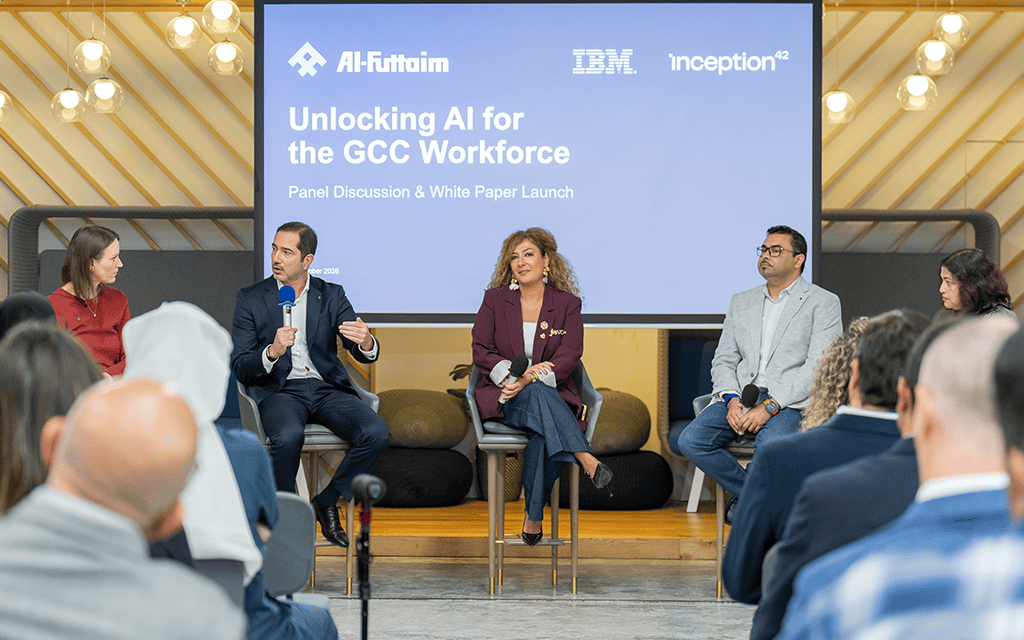
At Al-Futtaim, purpose is supported by opportunity, innovation and continuous learning.
With businesses spanning automotive, retail, real estate, financial services, health and the educational sector, employees have the opportunity to build dynamic careers across a wide range of industries. This diversity creates opportunities for learning, vertical and lateral mobility and long-term professional development.
The organisation places a strong emphasis on developing future-ready talent through learning programmes, leadership development opportunities and career growth pathways designed to help employees succeed throughout different stages of their careers.
Innovation also plays a key role. As technology continues to transform industries, Al-Futtaim continues to invest in digital transformation, AI-enabled capabilities and new ways of working that support both business growth and employee development.
Alongside professional growth, sustainability initiatives, community engagement efforts and an employee-focused culture help create an environment where people can contribute to meaningful work while building rewarding careers.
Conclusion
The future of talent attraction is about more than compensation.
Today’s professionals want workplaces where they can grow, contribute and feel connected to a larger purpose. They are looking for employers that invest in development, embrace innovation, prioritise wellbeing and create inclusive cultures where people can thrive.
Organisations that successfully combine competitive rewards with purpose-driven experiences will be better positioned to attract, engage and retain the ambitious talent shaping the future of the UAE workforce.
As employee expectations continue to evolve, purpose may not replace pay, but it is increasingly becoming the factor that helps talented professionals decide where they want to build their future.
FAQs
What does purpose mean in the workplace?
Purpose at work means understanding how your role contributes to something bigger. It can come from supporting an organisation’s wider goals, creating a positive impact or working for a company whose values align with your own.
Is salary still the most important factor when choosing a job?
Salary and job security remain important, but they are not the only considerations. Young professionals are increasingly looking at purpose, career growth and workplace culture when deciding where they want to build their careers.
What do Gen Z and Millennials look for in an employer?
Beyond competitive pay, younger professionals value meaningful work, opportunities to learn and grow, flexibility, wellbeing and an inclusive workplace culture. They also increasingly expect employers to embrace innovation and new technology.
Why is career development important to UAE professionals?
Career development helps professionals build new skills, prepare for future roles and see a clear path for progression. Learning, mentorship and practical experience can also help people build confidence and accelerate their professional growth.
How can employers build a purpose-driven workplace?
Employers can create a stronger sense of purpose by connecting employees’ individual contributions to the organisation’s vision and wider impact. Clear values and opportunities to make a meaningful contribution can help employees understand why their work matters.
What makes an employer attractive in the UAE?
An attractive employer combines opportunities for growth with a supportive culture, meaningful work, flexibility and wellbeing. Employees also value workplaces where they feel respected, included and able to contribute their perspectives.
How can companies demonstrate that their employer-branding claims are authentic?
Companies can make their employer brand more credible by backing their promises with real employee experiences and tangible opportunities. Clear career pathways, continuous development and practical opportunities to grow help demonstrate what an employer actually offers.
Why are learning and internal mobility important for employee retention?
Learning helps employees develop new capabilities and prepare for future opportunities, while clear career pathways give them room to keep progressing. Together, these can support longer-term career growth within an organisation.
More news