How Dubai’s Infrastructure Investments Are Driving Property Demand at Dubai Festival City
Published
4 min read
How Dubai’s Infrastructure Investments Are Driving Property Demand at Dubai Festival City
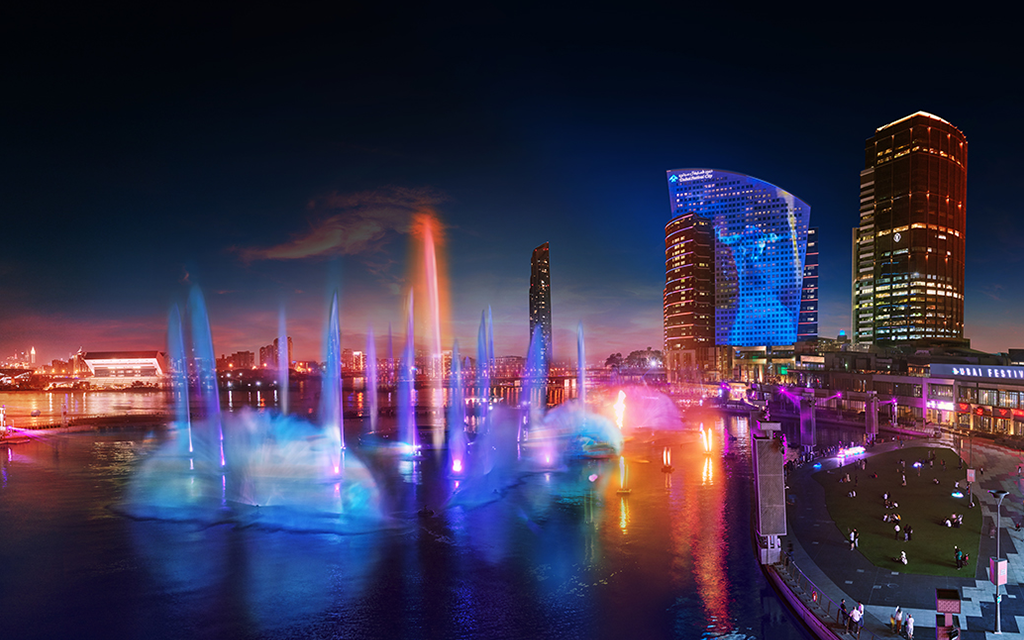
Infrastructure has become one of the clearest signals of where property demand will grow next in Dubai. As new Metro lines, road networks and autonomous transport initiatives extend into established districts, the communities already in place along these routes are seeing renewed interest from buyers, tenants and investors. Dubai Festival City, developed by Al-Futtaim Real Estate along the historic Dubai Creek, has spent two decades building that established position. Now, the Metro’s Blue Line extension and the Dubai Autonomous Transport Zone are both converging on the community, placing it at the centre of Dubai’s next wave of connectivity.
Dubai’s Major Infrastructure Investments
Roads
Dubai continuously invests in reducing traffic delays across the city. The Trade Centre Roundabout Development Project is a current example: an AED696 million upgrade converting one of Sheikh Zayed Road’s busiest intersections into a free-flowing, at-grade interchange with five new bridges spanning 5,000 metres. Once complete, RTA expects delays at the intersection to fall from around 12 minutes to roughly 90 seconds.
Metro connectivity
The Dubai Metro Blue Line (a roughly 30km, 14-station extension) will run directly through Dubai Festival City, connecting it to the Green Line at Creek Station via the Metro’s first-ever crossing of Dubai Creek.
Smart city initiatives
As Al-Futtaim’s own white paper on urbanisation and mobility in the GCC puts it, a systems-based approach treats a city as an interconnected whole, where a change to drainage or transport planning affects land use and energy systems too. The Dh30 billion Tasreef drainage project (built to increase storm-water capacity by 700%) is one example of this approach in practice.
Public transport
RTA has signed agreements with Al-Futtaim to establish the Dubai Autonomous Transport Zone, a 12-sq-km innovation corridor spanning Dubai Festival City. The zone will introduce autonomous mobility (robotaxis, driverless shuttles, delivery robots and self-driving abras) across 20km of roads for robobuses, 10km of waterways for roboboats, and 3.8km of pedestrian zones. It’s a direct step toward making 25% of all trips driverless by 2030.
Why Infrastructure Influences Property Value
RTA data shows that infrastructure projects have contributed a 6% to 16% increase in property values in the areas they serve, a direct link between transport investment and real estate performance in Dubai. Al-Futtaim’s own research into UAE resident priorities points to why: in a recent Al-Futtaim survey, ease of commute ranked as the single most important factor for quality of life in the city, and traffic congestion was named the biggest everyday challenge.
Accessibility and convenience
Dubai Festival City brings residences, schools, retail, F&B, and HealthHub together in close proximity, so daily life doesn’t depend on a long commute. Its residents are part of the wider Al-Futtaim ecosystem, with a year-round calendar of community activations, and that ecosystem extends further through its loyalty programme, Blue Rewards, which brings residents extra discounts and offers across some of Dubai’s favourite brands.
Business growth
Areas with strong transport links attract retail, hospitality and commercial tenants, supporting employment and footfall.
Community development
A sense of community remains one of the harder things for GCC cities to foster and Al-Futtaim’s own research found it ranks low among what UAE residents currently feel they have. Long-term developers who build to own and operate, such as Al-Futtaim Real Estate, are better positioned to shape that over time.
Why Dubai Festival City Continues to Grow
Spanning more than 2.6 million sq ft, Dubai Festival City brings together more than 1,300 apartments and villas, leading schools, Festival Tower’s premium offices, and the InterContinental Hotels Group complex of four hotels and over 1,660 rooms. Festival Arena adds one of Dubai’s leading large-scale event venues, with over 6,500 sqm of event space hosting conferences, exhibitions and entertainment.
Retail and entertainment
Dubai Festival City Mall anchors the destination with more than 400 retail and dining experiences, alongside waterfront attractions, cultural programming and family entertainment.
Waterfront location
Set along the historic Dubai Creek, the destination’s 3.3km waterfront promenade places it at the intersection of heritage, connectivity and contemporary urban living. Marsa Boulevard is a prime example of this, a home for homegrown brands, local chefs and independent concepts across food, art and fashion, drawing more than 2.5 million visitors per season.
Accessibility
Dubai Festival City sits just minutes from Dubai International Airport and close to Downtown Dubai, DIFC, and the city’s major transport corridors, combining international accessibility with the convenience of an established mixed-use community.
2026 Market Trends in Residential Demand
Dubai’s residential market entered a period of recalibration in H1, with rental and investment demand remaining fundamentally healthy but showing signs of moderation compared to the exceptional growth seen in previous years.
The market is also benefiting from recent regulatory initiatives aimed at improving housing accessibility and supporting market stability. The Dubai Land Department’s ‘Flexi Rent’ initiative, launched in June 2026, introduces more flexible rental payment structures. By reducing upfront financial commitments, it is expected to broaden the tenant pool and enhance affordability, particularly for young professionals and newly arrived residents. Such measures reflect a proactive approach to sustaining long-term residential demand as the market readjusts to increased supply.
Why Al-Futtaim Developments Stand Out
Dubai Festival City’s residential offering spans five distinct communities: Al Badia Living, Al Badia Villas, Al Badia Residences, Al Badia Hillside, and Marsa Plaza.
Lifestyle-first planning. From Al Areesh Club’s fitness facilities, pools and family amenities to Matcha Club’s waterfront padel and wellness concept, the community is designed around how residents and families actually spend their time.
Sustainable development. Festival Tower is the destination’s LEED Gold certified commercial landmark, setting the standard for sustainable office space within the community. Al Badia Villas has also been awarded LEED Gold under LEED v4.1 for Communities: Plan and Design, achieving full marks for walkability, bikeability and transit-oriented development, 100% power reliability through underground infrastructure, over 50% of stormwater managed through green infrastructure, and on-site renewable energy generation. EV charging provisions, smart irrigation and an urban heat island reduction strategy round out a level of certified performance that extends sustainability planning across Dubai Festival City.
Conclusion
Infrastructure investment in Dubai continues to shape where property demand grows next, and Dubai Festival City sits at the centre of that shift: with the Blue Line extension, the Dubai Autonomous Transport Zone, and two decades of established community infrastructure all converging into one destination. Combined with a residential market that continues to mature under government initiatives, and a developer that builds to own and operate rather than build and sell, Dubai Festival City remains well positioned for long-term residents.
More news