Electric Trucks & Buses UAE: The Complete Guide to Commercial Fleet Electrification
Published
4 min read
Electric Trucks & Buses UAE: The Complete Guide to Commercial Fleet Electrification
The UAE’s Shift Toward Sustainable Transport
The UAE has made significant progress in advancing sustainable mobility, supported by ambitious net-zero commitments, clean energy strategies and smart mobility initiatives. These efforts are creating an environment where low-emission transportation is becoming an increasingly viable option for both the public and private sectors.
While much of the early conversation around electrification focused on passenger vehicles, commercial transport is now emerging as one of the biggest opportunities. Fleet operators are recognising that electric trucks and buses can support sustainability objectives while delivering long-term operational benefits through lower running costs, improved efficiency and reduced maintenance requirements.
As battery technology, charging infrastructure and vehicle availability continue to improve, commercial fleet electrification is shifting from a future ambition to a practical business decision.
What Are Electric Commercial Vehicles?
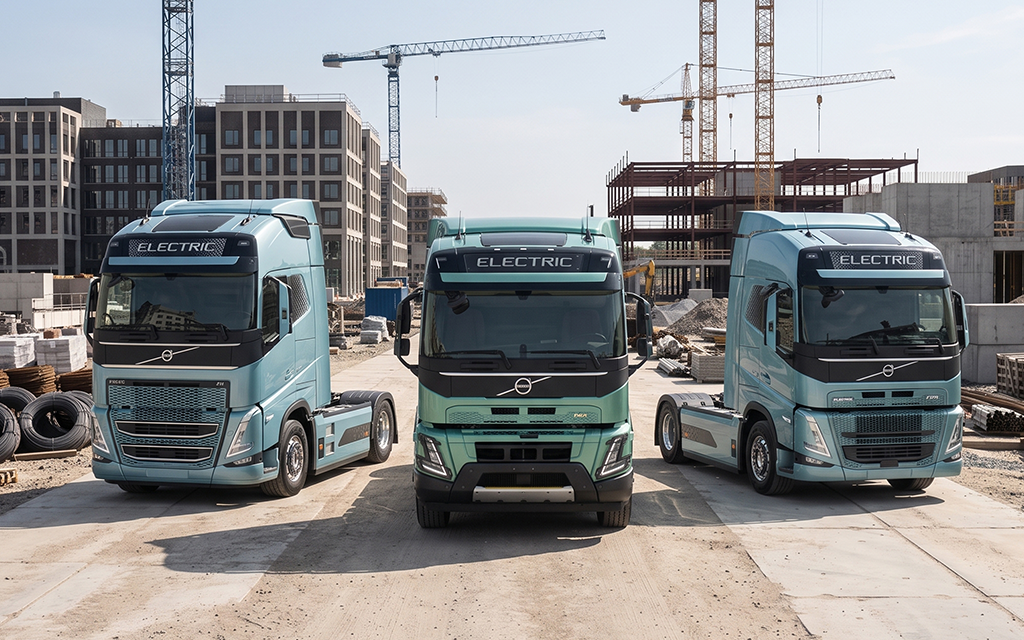
Electric commercial vehicles (ECVs) include trucks, buses and other commercial vehicles powered entirely by electric batteries rather than conventional internal combustion engines.
Electric trucks are commonly used for logistics, urban deliveries and freight transport, while electric buses are increasingly being deployed for public transport, employee shuttles, school transportation and tourism.
Compared with diesel-powered fleets, electric commercial vehicles produce zero tailpipe emissions, operate more quietly and have significantly fewer moving parts, resulting in lower maintenance requirements over their lifetime.
As technology continues to mature, electric commercial vehicles are becoming suitable for a growing range of operational requirements across different industries.
Why Fleet Operators Are Exploring EVs
Lower Operating Costs
For many fleet operators, cost remains one of the strongest drivers behind electrification.
Although electric vehicles typically require a higher upfront investment, they often deliver lower operating costs over the long term. Electricity is generally less expensive than diesel on a per-kilometre basis, while electric drivetrains contain fewer components that require routine servicing or replacement.
Reduced maintenance, fewer mechanical failures and lower fuel costs can significantly improve total operating efficiency throughout the vehicle’s lifecycle.
Sustainability Goals
Many organisations are strengthening their environmental commitments and integrating sustainability into their long-term business strategies.
Electrifying commercial fleets allows businesses to reduce greenhouse gas emissions, improve air quality and contribute towards broader ESG objectives. For companies with public sustainability commitments, transitioning to electric vehicles also demonstrates measurable progress towards carbon reduction targets.
As customers, investors and stakeholders increasingly prioritise environmental responsibility, fleet electrification can also strengthen corporate reputation.
Regulatory & Market Pressure
Government policies and evolving market expectations are encouraging businesses to accelerate the adoption of cleaner transport solutions.
Across the UAE, sustainability initiatives, smart mobility programmes and investments in clean transportation infrastructure are creating favourable conditions for commercial EV adoption.
At the same time, many organisations are introducing their own sustainability targets, prompting procurement and fleet managers to evaluate lower-emission transport alternatives.
Industries That Can Benefit Most
Several industries are well positioned to benefit from commercial fleet electrification.
Logistics and last-mile delivery operators can reduce operating costs while supporting increasingly sustainable supply chains.
Public transport providers can improve passenger experience through quieter, zero-emission buses that contribute to cleaner urban environments.
Retail distribution businesses operating predictable daily delivery routes can optimise electric vehicle utilisation while lowering fuel expenses.
Construction, industrial and municipal operations are also beginning to explore electric commercial vehicles for applications where predictable operating patterns and depot-based charging make electrification commercially attractive.
EV Charging Infrastructure for Commercial Fleets
Depot Charging
For many commercial fleet operators, depot charging represents the most practical charging solution.
Vehicles can be charged overnight during off-peak hours while parked at company facilities, ensuring they begin each working day fully charged and ready for operation.
Depot charging also provides fleet managers with greater control over charging schedules, energy consumption and operational planning.
Public Charging Networks
As public charging infrastructure continues to expand across the UAE, commercial fleets are gaining greater flexibility.
Public charging stations can support vehicles operating outside their normal routes, helping extend operational coverage while reducing concerns around charging availability.
Continued investment in charging networks will further improve confidence in commercial EV adoption.
Fast Charging for Fleet Operations
Fast-charging technology is becoming increasingly important for fleets that require maximum vehicle utilisation.
High-powered chargers can significantly reduce downtime between journeys, enabling commercial vehicles to return to service more quickly.
For businesses operating time-sensitive logistics or continuous transport services, fast charging plays an important role in maintaining operational productivity.
Challenges to Fleet Electrification
Despite growing momentum, transitioning to electric fleets requires careful planning.
Initial vehicle acquisition costs remain higher than equivalent diesel vehicles, although these costs are often offset over time through lower operating expenses.
Charging infrastructure also requires strategic planning to ensure vehicles can be charged efficiently without disrupting operations.
Battery range remains another important consideration. Fleet operators must evaluate route distances, payload requirements, driving conditions and charging opportunities to ensure electric vehicles meet operational needs.
Successful electrification depends on understanding both the opportunities and the practical requirements of fleet operations.
How the UAE is Supporting Commercial EV Adoption
The UAE continues to invest heavily in creating an ecosystem that supports sustainable mobility.
National sustainability strategies, green mobility initiatives and smart city programmes are helping accelerate the adoption of electric transportation across both the public and private sectors.
Public-private partnerships are also playing an important role by encouraging investment in charging infrastructure, clean technologies and advanced mobility solutions.
These initiatives provide businesses with greater confidence to begin planning their transition towards lower-emission commercial fleets.
What Fleet Managers Should Consider Before Transitioning
Every fleet has unique operational requirements, making careful planning essential before adopting electric vehicles.
Fleet managers should first assess how vehicles are currently being used, including daily mileage, route predictability, payload requirements and vehicle utilisation.
Rather than focusing solely on purchase price, organisations should evaluate the total cost of ownership, taking into account fuel savings, maintenance costs, vehicle lifespan and operational efficiency.
Route optimisation also becomes increasingly important, helping maximise vehicle range while improving overall fleet productivity.
Taking a data-driven approach enables organisations to identify where electrification can deliver the greatest business value.
The Future of Electric Commercial Mobility in the Middle East
The commercial EV market across the Middle East is expected to grow significantly over the coming years as battery technology improves, charging infrastructure expands and vehicle availability increases.
Governments, manufacturers, infrastructure providers and fleet operators are collectively building a more mature electric mobility ecosystem capable of supporting wider commercial adoption.
As more businesses gain confidence in the technology, electric trucks and buses are likely to become an increasingly common feature of logistics networks, urban transport systems and commercial operations throughout the region.
Conclusion
Electric trucks and buses are no longer simply part of the future of transport. They are becoming an increasingly practical solution for businesses seeking to improve efficiency while supporting sustainability objectives.
For fleet operators in the UAE, now is the ideal time to begin evaluating how electrification can fit within their long-term fleet strategy. By assessing operational requirements, investing in the right infrastructure and taking a phased approach to adoption, organisations can position themselves to benefit from lower operating costs, improved environmental performance and greater long-term resilience in a rapidly evolving mobility landscape.
More news